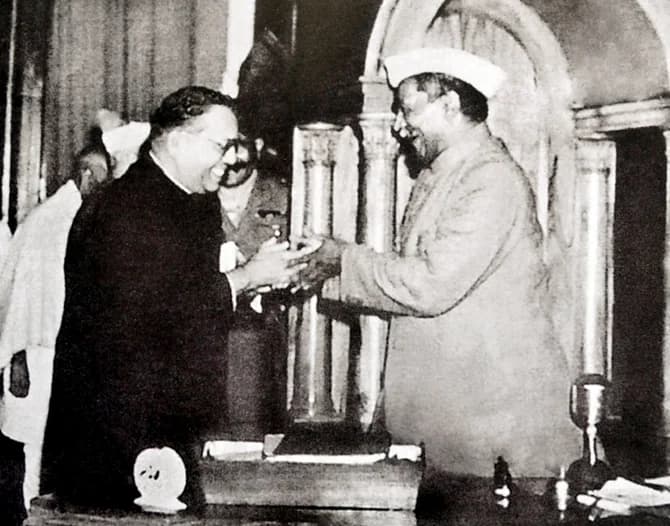
The Constituent Assembly chose a parliamentary, federal, rightsbased constitutional system with an independent judiciary.
Key elements of this choice included:
Parliamentary democracy: A Council of Ministers collectively responsible to the Lok Sabha, with a largely ceremonial President replacing the British Crown.
Written, supreme Constitution: A detailed text defining institutions, powers and rights, superior to ordinary law; any law inconsistent with the Constitution could be struck down by courts.
Fundamental Rights: Justiciable rights against the state—equality before law, freedoms of speech, association and movement, freedom of religion, and protections against untouchability and exploitation.
Directive Principles of State Policy (DPSPs): Nonjusticiable principles urging the state to pursue social and economic justice, land reforms, welfare and reduction of inequalities.
Federal structure with a strong Centre: A Union with states, a single citizenship and a Union list with extensive central powers—reflecting both the need for unity after Partition and the realities of security and development.
Independent judiciary: A Supreme Court empowered to interpret the Constitution and review laws for their validity.
Together, these choices tried to hold together liberty and equality, democracy and development, diversity and unity within one constitutional framework.